Landing Page Optimisation in 2026: How to Turn Visitors into Customers
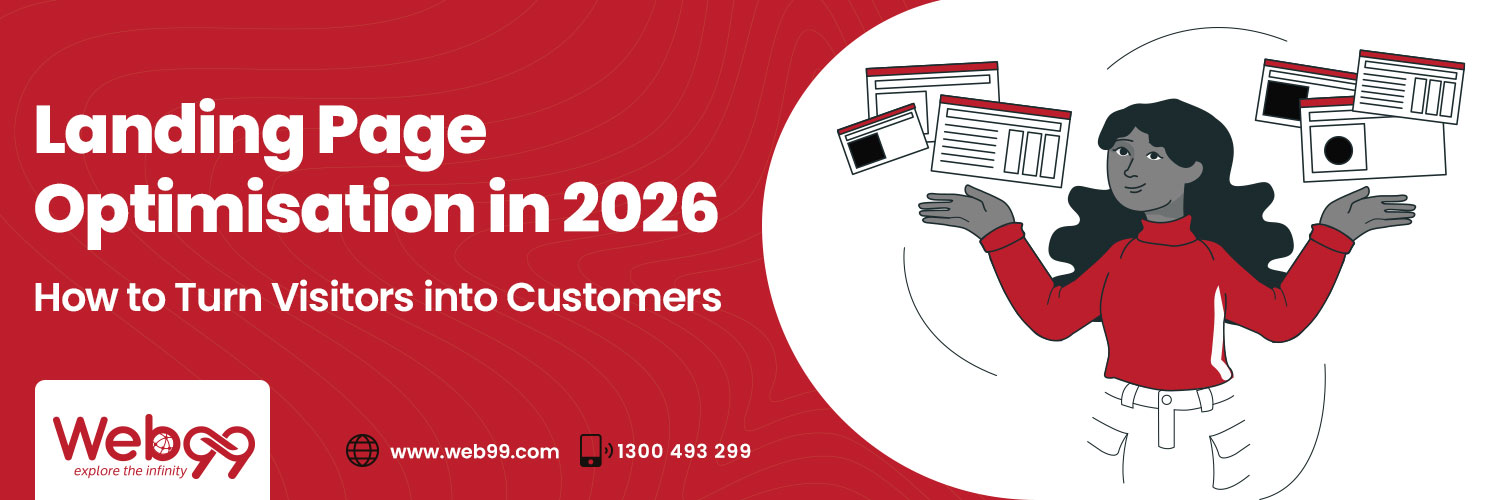
Landing pages are like the front door of your website. They are often the first thing people see, and they can decide whether a visitor stays or leaves. In digital marketing, landing pages play an important role in turning visitors into real customers, That is why businesses like Web99 focus on creating pages that are clear, engaging, and conversion-driven.
Getting traffic to your website is important, but it is not enough on its own. What truly matters is conversion—encouraging visitors to take action, such as filling out a form or making a booking. A well-optimised landing page helps guide users towards that action in a simple and effective way.
Today, high-performing landing pages are built by understanding how people behave online. This includes how they scroll, what they click, and what they are looking for. By using this data and understanding user intent, businesses can create pages that perform better and convert more. This blog article helps business owners and marketers understand how to optimise landing pages for better engagement, higher conversions, and long-term growth.
What Makes a High-Converting Landing Page
A landing page is a special type of webpage designed for one clear purpose getting visitors to take action. Unlike a regular website page, a landing page focuses on one goal only. It removes distractions like menus or extra links and guides visitors towards a single action, such as signing up or contacting your business.
Three key things make a landing page successful:
- Clarity – The message should be simple and easy to understand
- Relevance – The content should match what the visitor is looking for
- Focus – Everything on the page should lead to one main action
Start with the Right Tracking and Metrics
Tracking data helps you understand what is working and what is not. Many people focus on vanity metrics like page views, but these do not always show real success. What matters more is the conversion rate, which tells you how many visitors are taking action. By understanding user behaviour, you can make better decisions and improve your landing page effectively.
Key Metrics to Track for Landing Pages
-
Form Submissions
Shows how many people complete your form. This helps you understand if your offer is strong enough.
-
Button Clicks
Tracks how often visitors click on your call-to-action buttons, like “Get Started” or “Book Now”.
-
Scroll Depth
Measures how far people scroll down the page. If they stop early, your content may not be engaging enough.
-
Time on Page
Indicates how long visitors stay. Longer time usually means they are interested in your content.
Align Landing Page Content with User Intent
Understanding What Visitors Are Looking For
When someone clicks on your landing page, they expect to find exactly what they were searching for. If your headline matches their intent, they will feel confident and stay longer. Focus on solving one clear problem. This helps visitors quickly understand the value you offer.
Structuring Content for Easy Understanding
Use clear headings and short paragraphs so visitors can easily understand your page. Explain the benefits first, before asking them to take action. When people understand how your service helps them, they are more likely to trust you and convert.
Call-to-Action Placement That Drives Results
Why CTAs Should Support the Content
Call-to-action (CTA) buttons work best when they are placed naturally within the content. Instead of asking visitors to act straight away, first provide useful information. This builds trust and makes them feel ready to take the next step.
Place CTAs in logical positions:
- Near the top for quick decision-makers
- In the middle after explaining benefits
- At the bottom for those who read everything
Creating Clear and Action-Focused CTAs
Use simple and clear language for your CTAs. Visitors should instantly understand what to do. Focus on one main goal per page. Too many choices can confuse people and reduce conversions.
Improving Engagement with Internal Links and Page Flow
Reducing Bounce Rate Without Distracting Users
A high bounce rate means visitors leave quickly. To reduce this, offer helpful options without taking attention away from your main goal.
You can guide visitors to:
- Related services
- Helpful blog content
- Additional information
Using Behaviour Tools to Improve Layout
Tools like heatmaps show where eyes and clicks cluster, like red zones on a page map. Click tracking reveals if buttons get tapped or ignored, helping you rearrange elements for better flow. This data proves where confusion hits, like a buried CTA. Understanding scroll behaviour shows if visitors stop halfway. Move key benefits higher to hook your target patients and boost conversions.
Designing Landing Pages for the Right Audience
Importance of Knowing Your Target Audience
Understanding your audience helps you create content that speaks directly to their needs, challenges, and expectations. When you know what your audience is looking for, you can design landing pages that feel more relevant and engaging, which increases the chances of conversion.
Matching the Offer to Real Needs
Your offer should solve a real problem that your audience is facing. When visitors feel that your service or product is directly relevant to their needs, they are more likely to trust your message and take action. Clear alignment between the offer and user intent leads to better results.
Value-Driven Messaging Over Hype
Focus on real benefits instead of exaggerated claims. Honest, clear, and value-driven messaging helps build trust and credibility. When users understand the real advantages of your offer, they are more confident in making a decision.
Common Landing Page Mistakes to Avoid
Asking for Too Much Information
Long forms can overwhelm visitors and reduce completion rates. Keep forms short and only include essential fields to make the process quick and easy.
Overloading Pages with Links
Too many links can distract users from the main goal. Keep the design clean and guide visitors towards one clear action without unnecessary distractions.
Unclear Messaging
If visitors do not understand your offer quickly, they may leave the page. Use clear, simple, and direct language to explain your value.
Weak or Confusing CTAs
Use clear and action-focused language to guide users effectively. Strong CTAs make it easier for visitors to know what to do next and improve conversion rates.
How Web99 Helps Businesses Build High-Converting Landing Pages
Web99 helps businesses create landing pages that are strategically designed to attract visitors and convert them into customers. By combining design, data, user behaviour insights, and ensures each page delivers strong performance.
Web99’s Approach to Landing Page Optimisation
-
Strategy-first Design
Every page starts with clear goals, audience understanding, and user intent. This ensures the design supports conversions from the beginning.
-
SEO and Conversion Alignment
Pages are built to rank well on search engines while also encouraging users to take action, creating a balance between traffic and conversions.
-
Data-driven Improvements
Changes are based on real user behaviour and performance data, helping identify what works and what needs improvement.
-
Ongoing Testing and Refinement
Regular updates, testing, and optimisation ensure that landing pages continue to perform effectively over time and adapt to changing user behaviour.
Key Takeaways
-
Clarity and Intent Matter Most
Clear messaging that matches user intent helps visitors understand your offer quickly and improves conversions.
-
Simplicity Works Better
Simple designs, shorter forms, and focused goals create a better user experience and lead to higher conversions.
-
Testing Improves Performance
Regular testing helps identify what works best and allows continuous improvement based on real data.
-
Optimisation is Ongoing
Continuous monitoring and improvements are essential for long-term success and better results over time.
Frequently Asked Questions
- What is landing page optimisation?
Landing page optimisation is the process of improving a webpage to increase the number of visitors who take action.
- How many CTAs should a landing page have?
It is best to have 2 or 3 CTAs button, supported by a few additional placements across the page.
- Why do landing pages have high bounce rates?
High bounce rates can happen when the page is unclear, slow, or does not match user expectations.
- How often should landing pages be updated or tested?
Landing pages should be tested regularly and updated based on performance data to keep improving results.
Discuss your next project
See Our Works
About Author

Prem Rathod
Director & co-founder
Prem Rathod is a highly skilled professional and co-founder of Web99, a digital marketing and web development agency based in Australia. With expertise in SEO, he is committed to providing innovative solutions to help businesses improve their online presence and visibility. With over a decade of experience in the industry, Prem is passionate about leveraging technology to automate processes and drive innovation in the healthcare sector. His proficiency in SEO, automation, and health tech has helped Web99 stay at the forefront of the industry. His skills in web development, UI/UX design, and project management have also been instrumental in the growth and success of the company.